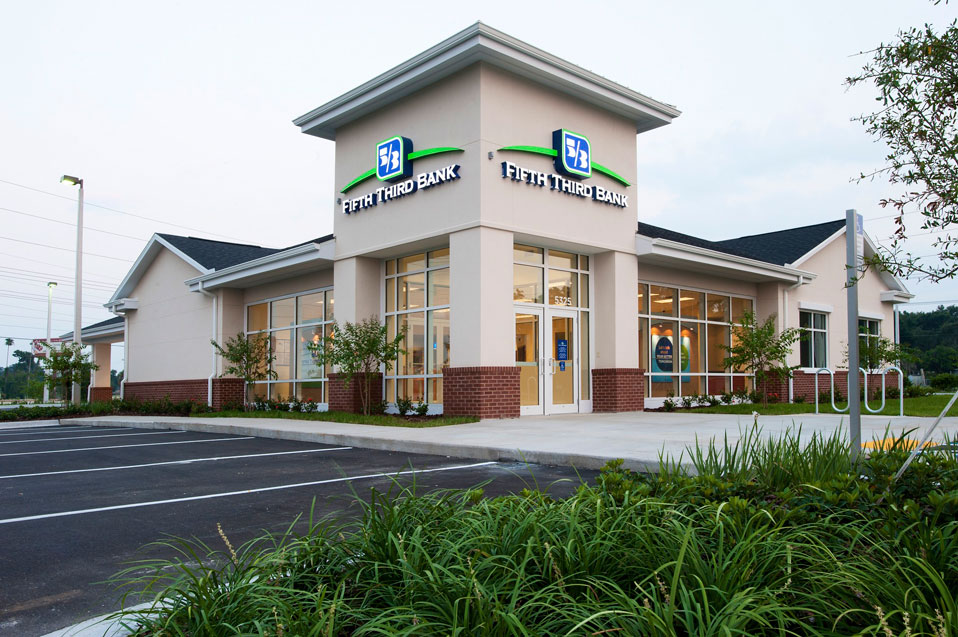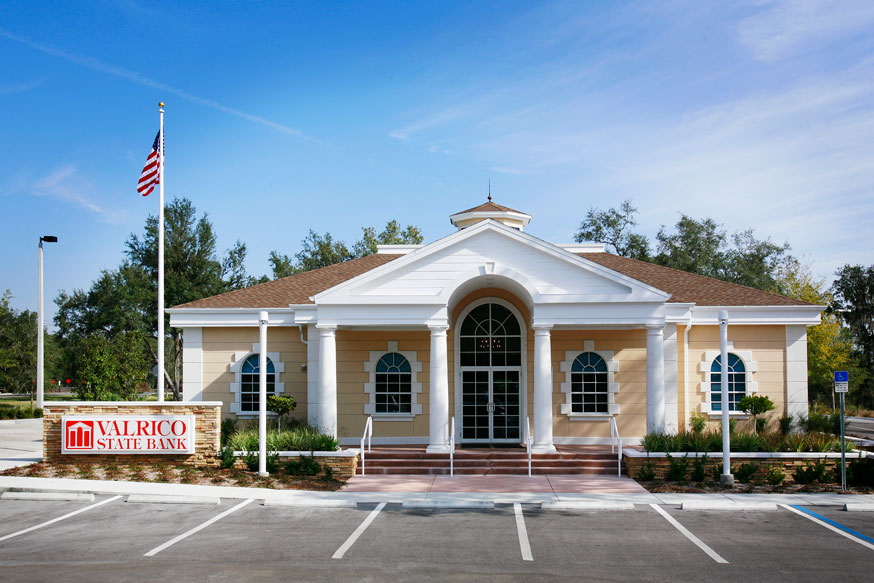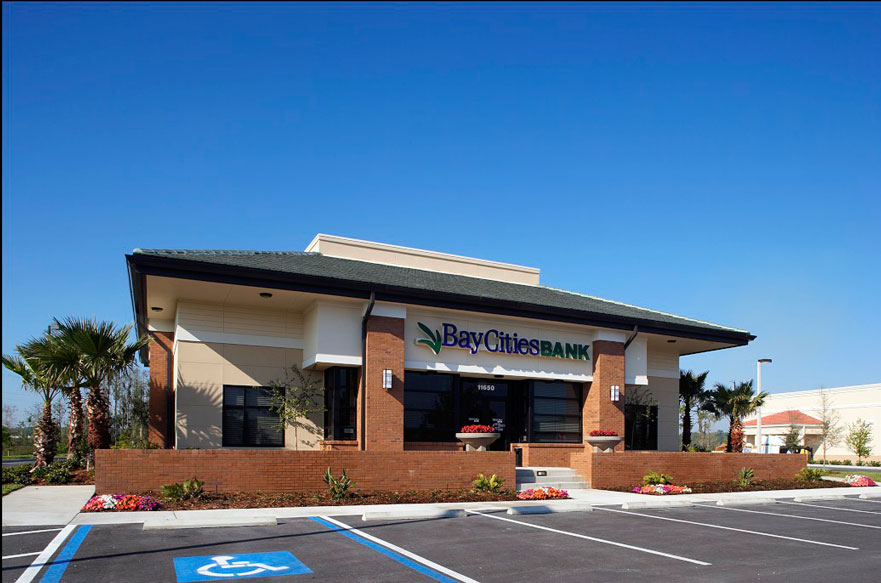
Building a financial institution requires more than a well-designed branch. It takes careful planning, specialized coordination, and an understanding of how the building will support daily banking operations.
At first glance, a new bank or credit union branch may look like a typical commercial construction project. There are foundations, structural systems, mechanical and electrical installations, and interior finishes. But financial institutions introduce requirements that can make construction more complex than a traditional office or retail building.
From security and technology infrastructure to customer access and specialized interior spaces, these projects demand attention to details that may not be immediately visible in the finished building.
Security Must Be Considered Early
Security is one of the defining considerations in financial institution construction. Vaults, secure transaction areas, controlled access points, surveillance systems, and alarm infrastructure may all influence how a building is designed and constructed.
These features often require coordination between the general contractor, design team, financial institution, and specialized equipment vendors. Addressing those requirements early helps avoid conflicts between structural elements, building systems, and security equipment as construction progresses.
Technology Is Part of the Building
Modern financial institutions depend on technology to serve customers and maintain daily operations. Data connections, communication systems, ATMs, electronic security, and other specialized equipment all require appropriate infrastructure.
That means electrical systems, low-voltage pathways, equipment locations, and supporting building components must be coordinated throughout construction. Although much of this work is concealed behind finished walls and ceilings, it plays an important role in how effectively the completed branch functions.
Customer Experience Shapes the Space
Financial institutions must balance security and operational needs with a welcoming environment. Customer circulation, teller and service areas, private consultation rooms, accessible entrances, and employee workspaces all contribute to the building's functionality.
The construction team must bring these elements together while maintaining quality across the visible finishes and the systems behind them. A successful branch is not simply attractive. It must work for the people who use it every day.
Ground-Up Construction Adds Another Layer of Coordination
Building a new financial institution from the ground up introduces additional considerations beyond the interior environment. Site access, parking, utilities, drainage, landscaping, and potential drive-through banking facilities must be coordinated with the building itself.
These decisions can influence the construction sequence, the installation of specialized systems, and the overall project schedule. Careful preconstruction planning helps identify potential conflicts before they affect work in the field.
Experience Across Financial Institution Projects
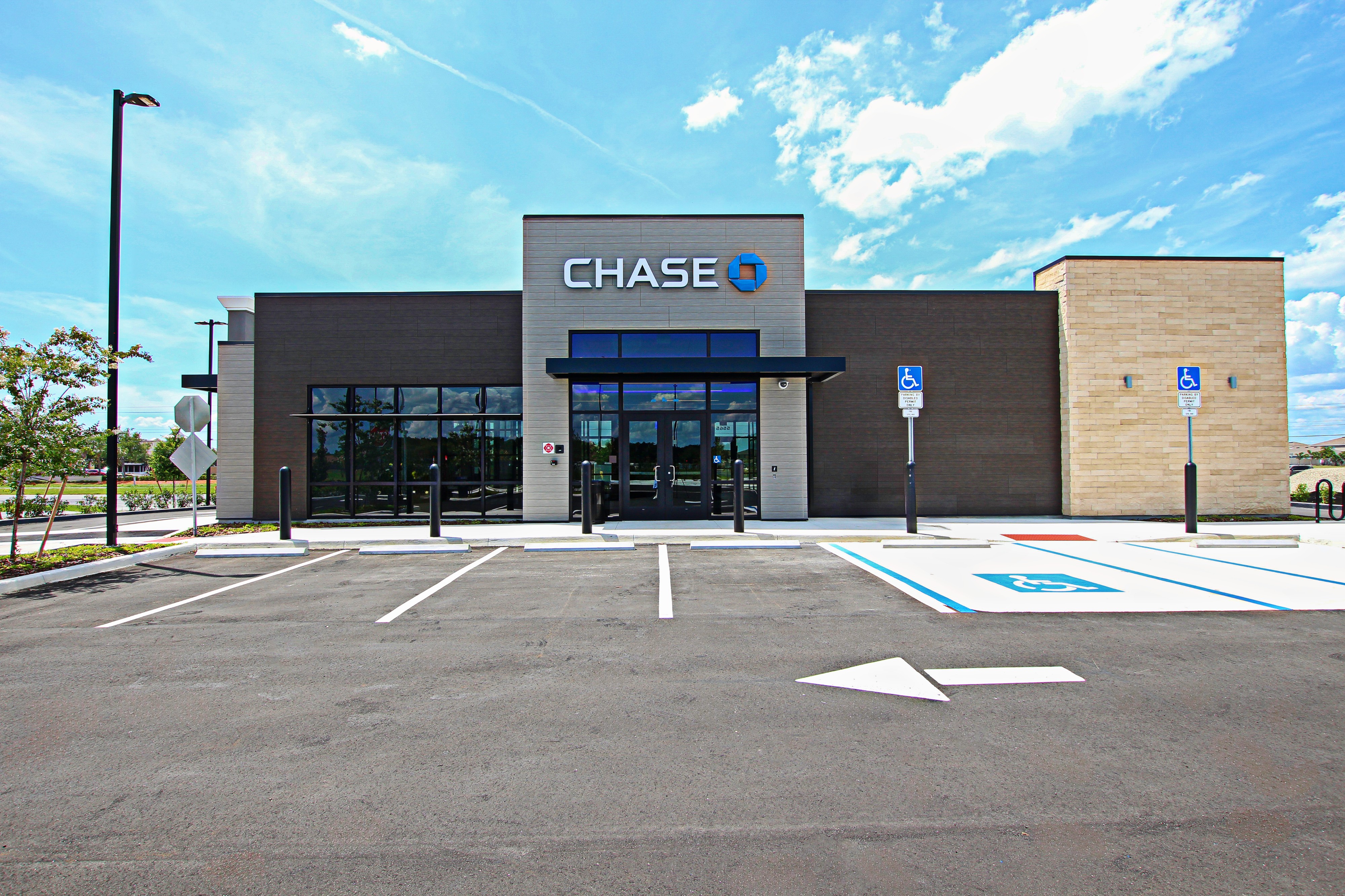
ABI Companies has experience delivering construction projects for banks and credit unions, including Chase Bank in Apollo Beach, Florida, and State Employees' Credit Union in North Carolina.
ABI's Chase Bank project in Apollo Beach includes customer-facing interior areas, administrative spaces, and drive-through access. ABI's portfolio also documents a State Employees' Credit Union branch in Clayton, North Carolina.
Whether constructing a new facility or updating an existing branch, understanding the operational needs of the financial institution is an important part of planning and executing the work.
A Building Designed for Long-Term Service
The most important elements of a financial institution are not always the ones customers see. Behind the finished surfaces are security provisions, technology infrastructure, building systems, and carefully coordinated construction details that support the branch's daily operations.
For a commercial general contractor, delivering these environments requires more than managing individual trades. It requires understanding how the entire facility must function and coordinating the work around that objective.
At ABI Companies, that approach is reflected in a simple principle: One Team. One Clear Plan.
With commercial construction experience dating back to 1985, ABI brings established processes, practical knowledge, and a commitment to dependable execution to the financial institutions it serves.